
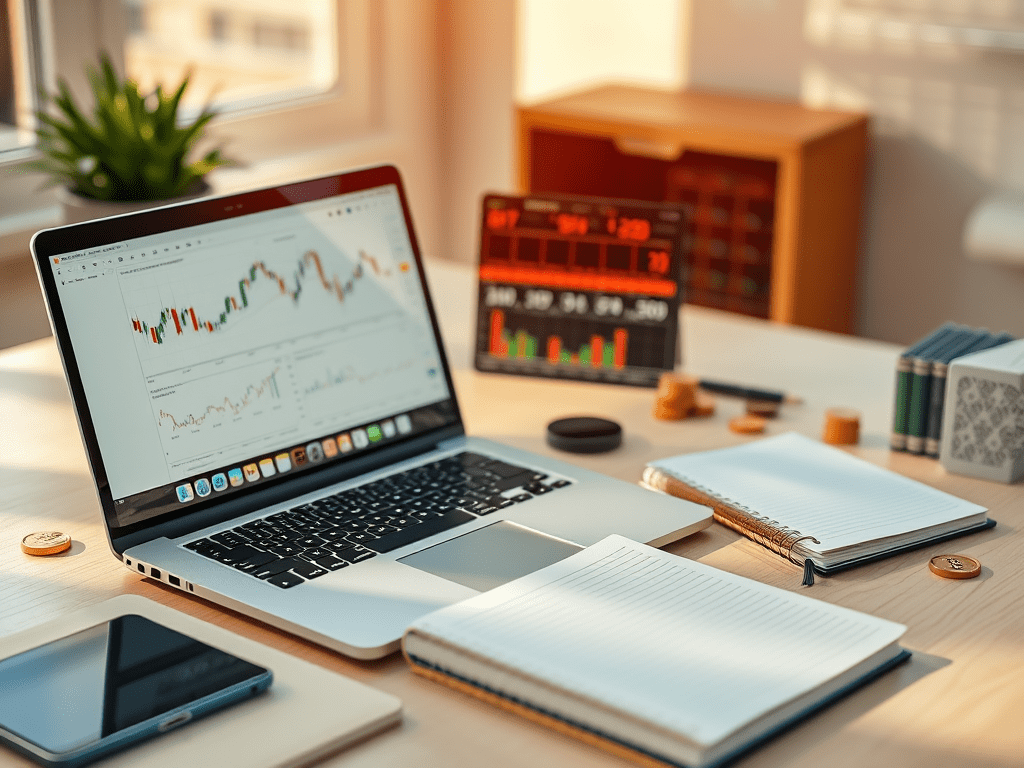
Trading is not only about strategies and entries. Without the right tools, even a good trader can stay stuck for years. Tools don’t guarantee profits, but they speed up learning, reduce mistakes, and bring clarity. Over time, I realized that a few well-chosen tools are enough. You don’t need everything. You need what actually helps.
This blog covers practical and useful tools for traders, especially for Forex and Crypto. No hype, no shiny promises, only tools that genuinely add value.
BabyPips is one of the best free learning platforms available for traders. If someone is serious about Forex, this is where they should start. The content is structured in a very logical way and explained in simple language. BabyPips focuses not only on charts and indicators but also on risk management and trading psychology, which most beginners ignore. The School of Pipsology walks you from absolute basics to advanced concepts step by step. Even crypto traders benefit because market behavior and risk principles are universal. Completing BabyPips gives a strong foundation and removes a lot of confusion early on.
Link: https://www.babypips.com
Forex Factory is mainly used for news, economic data, and understanding market sentiment. It is especially important for Forex traders because economic events move currencies aggressively. The economic calendar helps traders avoid entering trades during high-impact news or prepare for volatility. Forex Factory also has a large trader community where you can see how others think, react, and sometimes overreact. It is not a charting platform but a powerful awareness tool.
Link: https://www.forexfactory.com
TradingView is one of the most widely used charting platforms in the world. Traders use it to analyze price, mark support and resistance, draw Fibonacci levels, study market structure, and test ideas. The interface is clean and works well for multiple markets including Forex, Crypto, Stocks, and Commodities. The free version is more than enough for most traders. Paid plans are optional and should only be considered when there is a real need.
Link: https://www.tradingview.com
Trade journaling is one of the most underrated aspects of trading. Without journaling, a trader never truly knows what is working and what is not. Platforms like Myfxbook and TradeZella offer automated trade tracking, performance analytics, and detailed statistics. These tools are powerful but paid, which is not ideal for every beginner.
For this reason, I personally use Notion for journaling. It is free, flexible, and forces manual input, which builds discipline. Journaling in Notion helps track entries, exits, risk-reward, emotions, and rule execution. Simple journaling done consistently is more powerful than advanced dashboards used irregularly.
Links: https://www.myfxbook.com
https://www.tradezella.com
https://www.notion.so
Investing.com is a complete financial data platform. It provides live prices, economic calendars, news, and information across global markets. Traders who follow multiple asset classes find it especially useful. It helps stay informed without relying on random social media opinions.
Link: https://www.investing.com
Risk management tools and position size calculators are essential for survival in trading. Many traders fail not because of bad strategies but because of poor risk control. Calculators available on Myfxbook and Investing.com help determine correct lot size, position size, and risk per trade based on stop loss. Using these tools removes guesswork and protects capital over the long term.
Investopedia is one of the best resources for understanding financial and trading terminology. Whenever a trader encounters confusing words like liquidity, leverage, volatility, or spread, Investopedia provides clear explanations with examples. It works like a dictionary for the financial markets and helps build proper conceptual understanding.
Link: https://www.investopedia.com
There are also simple supporting tools that quietly improve trading performance. Google Sheets or Excel can be used for basic tracking and calculations. Screenshot tools help record trades before and after execution. Economic calendar alerts help avoid unnecessary losses during news events. These small habits compound over time.
Tools do not make money on their own. Discipline, consistency, and correct usage do. A beginner does not need dozens of platforms. Learning properly, analyzing cleanly, journaling honestly, and managing risk strictly are more than enough. Keep your setup simple, trust the process, and focus on long-term improvement.
 Trade Consciously